
Winter is one of the most rewarding times to explore Alicante Province. The Mediterranean coast keeps its distinctive light, towns feel calmer and many walking routes are more comfortable than during the hottest months. It is not guaranteed beach weather: windy, rainy and chilly days do occur, especially inland. A flexible mix of city sights, countryside, food and coastal stops is therefore the best approach.
This guide to the best things to do in Alicante in winter covers December to late February and is designed for couples, families and independent travellers who want to see more than the provincial capital.
1. Explore Alicante city without the summer crowds
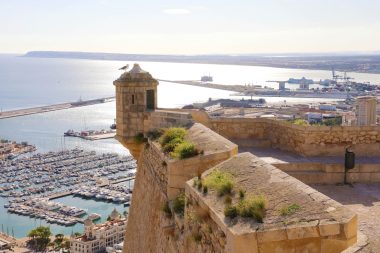
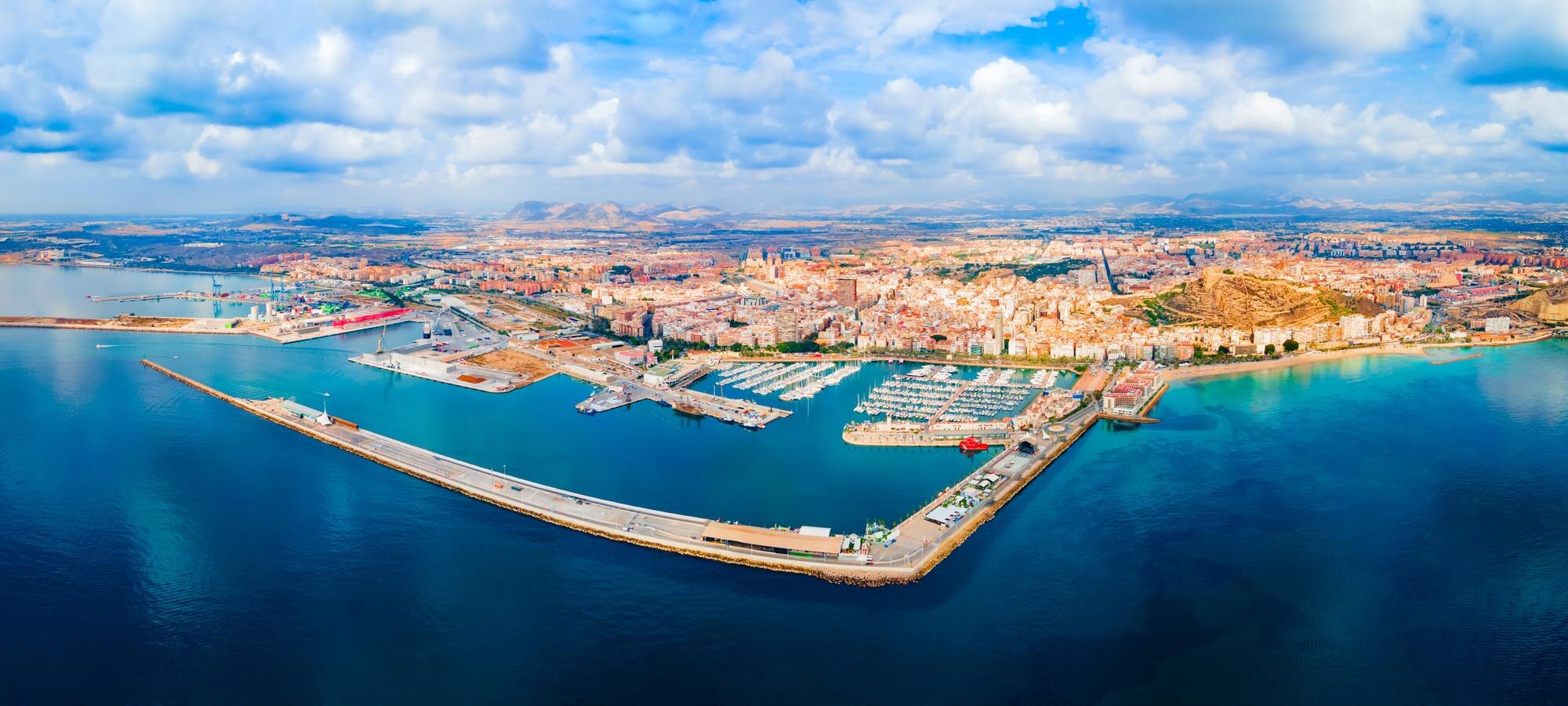
Begin in the Old Town, then walk past San Nicolás Co-cathedral, the Explanada de España and the marina. Winter makes central Alicante much easier to explore on foot. Santa Bárbara Castle remains the city’s essential viewpoint; check the official opening information before going up because access can change with the season or weather.
If you would like a structured introduction, browse the current tours and experiences available in Alicante. The live catalogue lets you check actual dates before booking urban, food and outdoor activities.
2. Enjoy the coast without planning your day around swimming
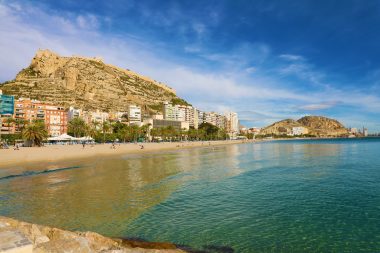
Alicante’s beaches are still worth visiting in winter. Walk along Postiguet, San Juan, Muchavista or the seafront at Villajoyosa, stop for lunch and stay for sunset. Pack a windproof layer and treat swimming as an optional extra rather than the main purpose of the day. If conditions turn rough, switch to a museum, market or long lunch.

3. Wander through Altea Old Town
Altea is particularly pleasant outside peak season. Climb the cobbled lanes towards the Church of Our Lady of Consolation, pause at the viewpoints and continue down towards the seafront. Comfortable shoes are important because the streets are steep and uneven. Altea can be paired with Calpe or a relaxed lunch by the sea.
4. Visit Guadalest on a clear winter day
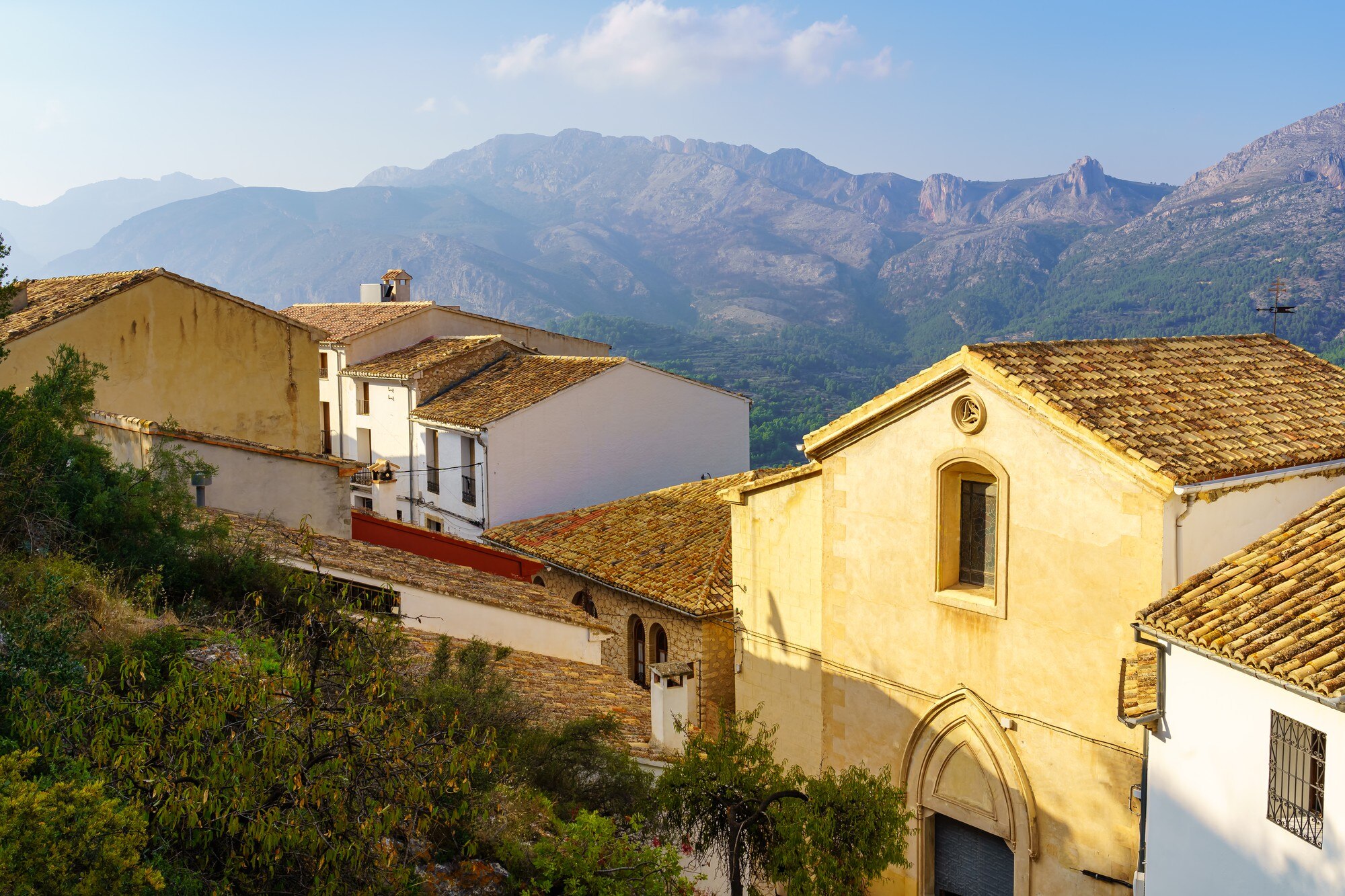
El Castell de Guadalest combines dramatic scenery, history and one of inland Alicante’s most recognisable skylines. Walk through the rock-cut entrance, explore the historic centre and allow time for the reservoir views. Temperatures fall quickly later in the day, so bring a warm layer. Check museum and shop opening times before travelling, particularly on weekdays.
5. Go hiking in cooler conditions
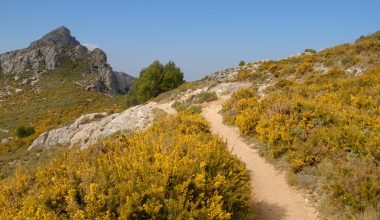
The province has both coastal and mountain routes. Serra Gelada offers cliffs and Mediterranean views, while Montgó, Serra de Bèrnia, Font Roja and the inland ranges provide more demanding terrain. Choose a route suited to your ability, check the forecast and trail conditions, and never set out during a weather warning. Higher ground can be considerably colder than the coast.
6. Discover Elche and its palm groves
Elche brings a completely different landscape to an Alicante itinerary. Its palm groves, gardens and historic centre make a gentle day outdoors without major climbs. Add the Archaeological and History Museum or the surroundings of Santa María Basilica, checking current opening times in advance. It is a good option for a cool but settled day.
7. Make winter food part of the trip
Cooler days are ideal for exploring local cooking. Look for rice dishes, caldero, olleta alicantina, fish from the local auction markets and produce from inland districts. Jijona is closely associated with turrón well beyond Christmas, while the Vinalopó and Marina areas introduce visitors to wines protected by the Alicante denomination of origin. Book popular restaurants ahead for weekends and public holidays.
8. Visit colourful Villajoyosa
Villajoyosa’s painted houses, Old Town and seafront work in every season. In winter, combine a coastal walk with an experience connected to the town’s chocolate-making tradition. Confirm tour availability before travelling because some visits require advance booking.
9. See a quieter side of Benidorm
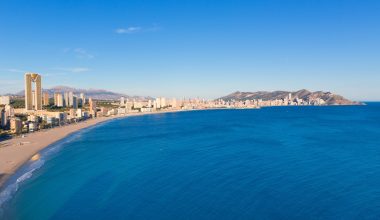
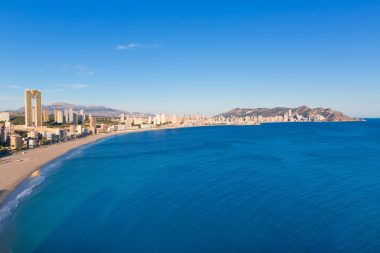
Benidorm is not only a summer resort. Its promenades, Mediterranean Balcony, Old Town and Serra Gelada viewpoints can easily fill a day. Use our detailed guide to the best things to do in Benidorm to plan beaches, neighbourhoods and activities.
10. Keep a cultural plan for rainy days
Save a short list of indoor alternatives: Alicante’s MARQ archaeological museum, MACA contemporary art museum, local museums, food markets and guided heritage visits. Exhibitions and timetables change during winter, so check official websites on the day rather than relying on an old schedule.
11. Experience the winter calendar
Christmas events, Alcoy’s famous Three Kings celebrations, local festivals and carnivals bring extra atmosphere to different towns. Exact dates and routes change each year. Always consult the relevant council’s current programme, and book accommodation or transport early if your visit coincides with a major event.
12. Follow a practical three-day itinerary
- Day 1: Alicante city, Santa Bárbara Castle, the Old Town, Explanada and marina.
- Day 2: Altea and Guadalest, adjusting the order to the forecast and daylight.
- Day 3: Elche and its palm groves, or a suitable hike if the weather is settled.
With extra time, add Villajoyosa, Calpe, Dénia or Orihuela. A car gives you greater freedom inland, although the principal coastal towns can also be reached using combinations of TRAM, rail and intercity bus services.
What to pack for Alicante in winter
- Layers and a windproof or waterproof jacket.
- Comfortable shoes with reliable grip.
- Sun protection and water, even on cool days.
- A warmer layer for mountains and inland towns.
- A flexible wet-weather alternative.
Frequently asked questions
Is Alicante warm in winter?
The coast often feels milder than inland Spain and enjoys many bright days, but rain, wind and cool evenings are entirely possible. Check the forecast shortly before travelling and again each morning.
Can you go to the beach in winter?
Yes. Beaches are excellent for walking, lunch and sea views. Whether swimming is comfortable depends on conditions and personal preference, so it should not be your only reason for visiting.
Do you need to hire a car?
Not for Alicante city or several coastal destinations. A car is useful if you want to link mountain villages, wineries and natural parks in a single day.
What can you do when it rains?
Combine museums, markets, food experiences and historic centres. Choose flexible bookings where possible and check official opening information before setting out.
The key to enjoying Alicante in winter is not to treat it as a colder version of summer. It is a different kind of trip: better suited to walking, unhurried meals, mountain villages and combining the coast with the province’s interior.