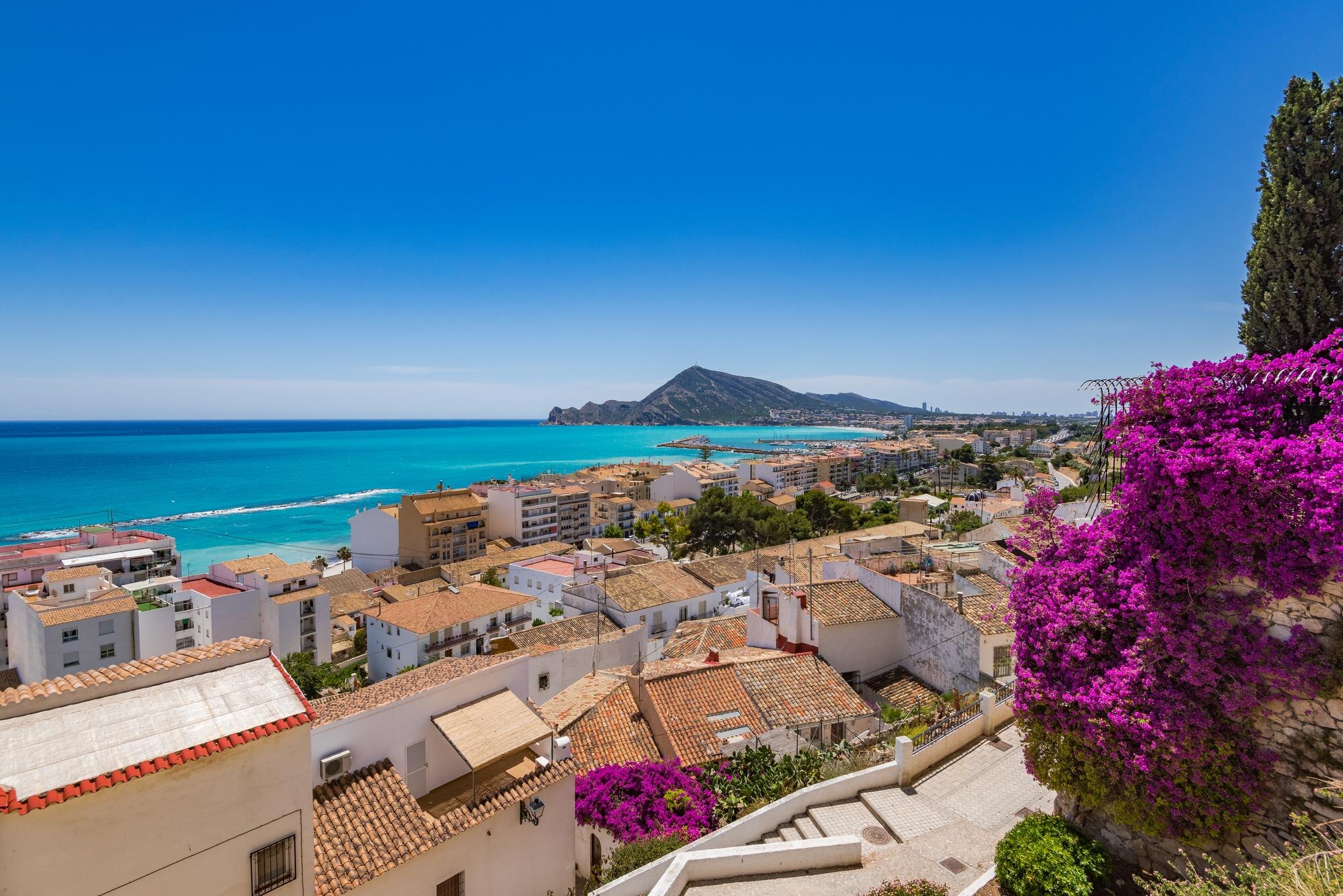

Altea is one of the Costa Blanca’s most recognisable towns: whitewashed houses climbing a hillside, cobbled lanes, blue domes and the Mediterranean always in view. Yet there is more to it than the classic old-town photograph. Altea also has pebble beaches, small harbours, artists’ studios, seafood cooking and landscapes stretching towards the Sierra de Bèrnia and Mascarat.
This guide covers the best things to do in Altea, how to plan a day trip and practical tips for enjoying the town at an unhurried pace.
1. Walk up to Altea Old Town
The historic quarter, known as El Fornet, occupies the top of the hill. Explore streets such as Costera del Mestre de la Música, Calle Mayor, Salamanca and Santa Bárbara without following too rigid a route. White façades, plants, small shops, galleries and intimate squares preserve the feel of a Mediterranean village.
The lanes are steep and uneven, so comfortable walking shoes are useful. Drivers will usually find it easier to park outside the heart of the old town and complete the climb on foot.
2. Visit Plaza de la Iglesia
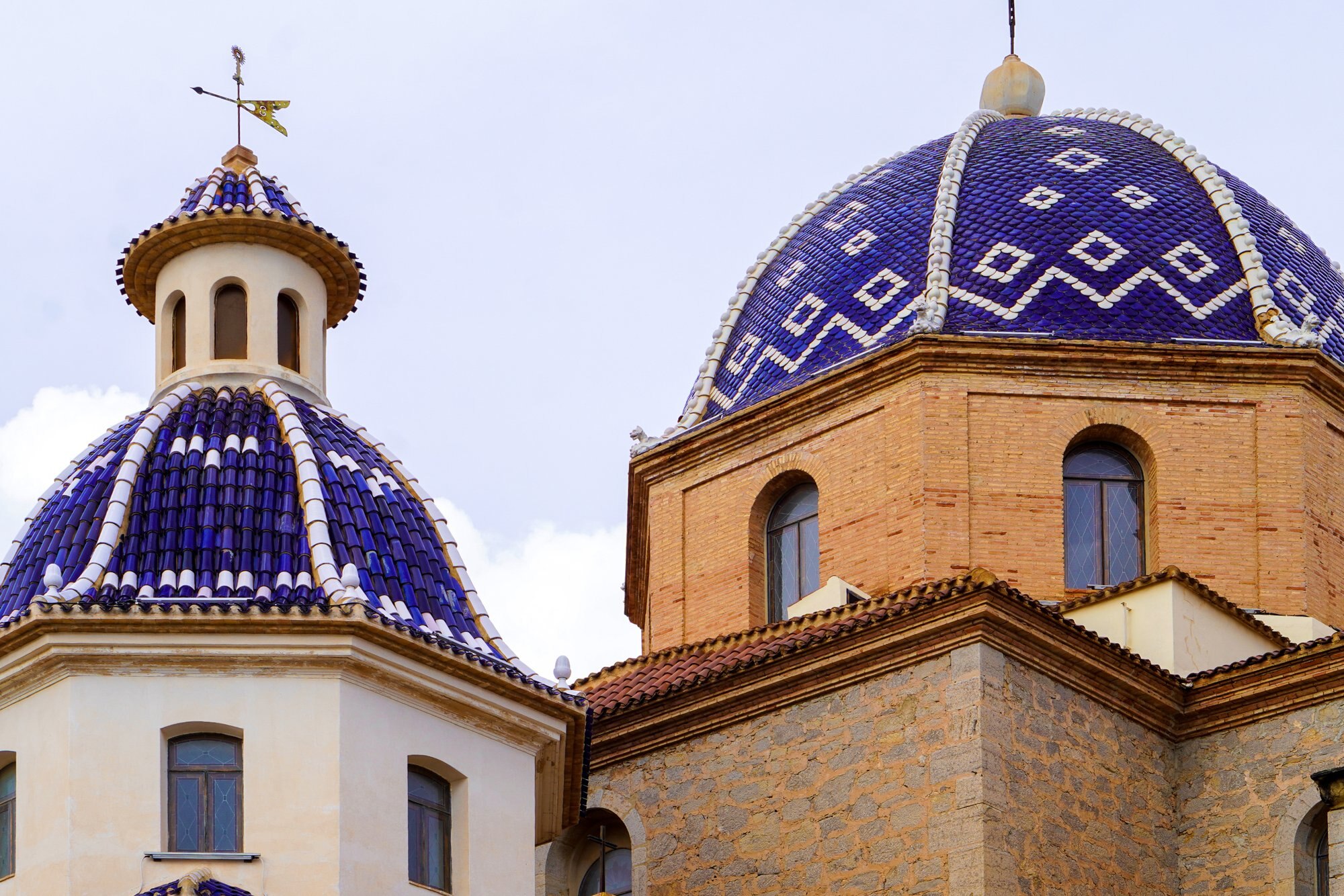
Plaza de la Iglesia is the centre of historic Altea. It is dominated by Nuestra Señora del Consuelo, the church whose blue-and-white tiled domes form the town’s best-known landmark. Around the square are terraces, pedestrian lanes and viewpoints overlooking the bay, Serra Gelada and the Peñón de Ifach.
3. Find the best viewpoints
The balconies near the church square provide sea and mountain views without leaving the old town. Mirador de los Cronistas de España is the best known, but smaller viewpoints appear as you explore the upper streets. Early morning and late-afternoon light are especially flattering and make summer visits more comfortable.
4. Explore Bellaguarda
Bellaguarda recalls Altea’s defensive past. It is quieter than the main old-town route and reveals small squares, traces of the former walls and residential lanes. Walking downhill towards the modern centre also shows how the town expanded from the hill to the sea.
5. Stroll along the seafront
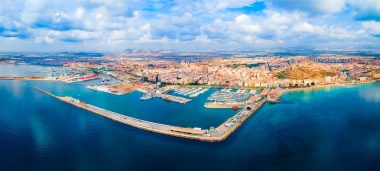
The Mediterranean promenade links beach areas, restaurants and the harbour. Its level route is a welcome contrast after the old town’s slopes. Boats, sailing clubs and waterfront terraces remain an everyday part of Altea’s character.
6. Choose between La Roda, Cap Negret and l’Olla
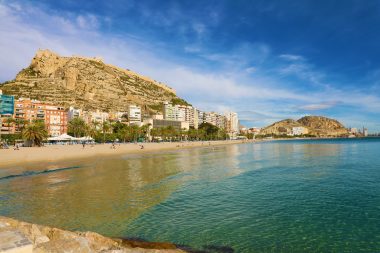
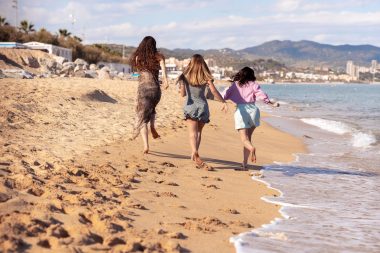
Altea’s beaches are mainly gravel, pebbles and rounded stones rather than fine sand. La Roda is the central urban option; Cap Negret feels more open; and l’Olla, opposite the Illeta and l’Illot islets, has attractive coastal views.
Water shoes can be helpful. Always check sea conditions and follow local beach guidance before swimming.
7. Discover Mascarat and its coves
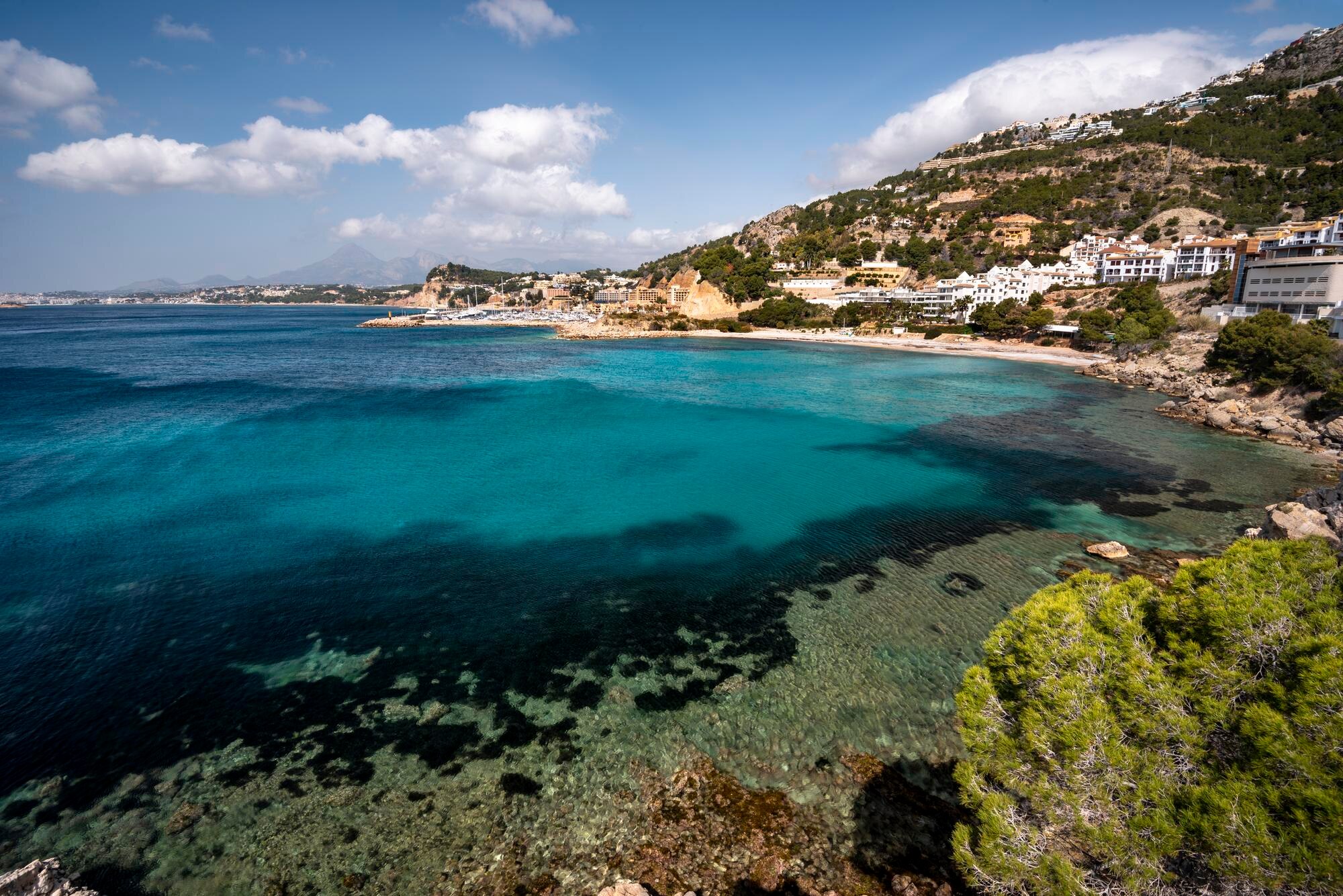
North of town, the coastline becomes steeper. Mascarat’s cliffs, marinas and small coves reveal a different side of Altea. It is an appealing area for scenery and coastal walks, but heat, terrain and current access conditions should be considered before setting off.
8. Visit Altea la Vella and Sierra de Bèrnia
Altea la Vella has a quieter, more rural atmosphere below Bèrnia. Access routes towards the mountains begin nearby, including demanding walks such as the Forat de Bèrnia circuit. Check the forecast, carry water and choose a route suitable for your group; mountain walking is not an improvised extension of an old-town stroll.
9. See Altea’s artistic side
Altea has attracted painters, musicians, craftspeople and other artists for decades. Galleries and workshops in the old town maintain this identity, reinforced by the local Fine Arts faculty. Step inside spaces that are open, support local makers and check the cultural programme for the day of your visit.
10. Try the local food
Altea’s cooking combines fish, local vegetables and rice dishes. Seasonal menus may include seafood, dry or soupy rice and traditional Marina Baixa recipes. The seafront and harbour offer plenty of places to eat with a view, while the old town is known for terraces and smaller restaurants.
How to spend one day in Altea
- Morning: climb to the old town, visit the church square and explore the viewpoints.
- Lunchtime: walk down to the promenade and eat beside the sea.
- Afternoon: choose a beach, Cap Negret, l’Olla or a trip towards Mascarat.
- Late afternoon: return to a viewpoint or walk along the waterfront in softer light.
Getting to and around Altea
Altea is accessible by road and by the Alicante TRAM from several towns in the Marina Baixa. The station is in the lower town, within walking distance of the seafront and historic centre, although the climb is steep. If driving, check parking areas in advance and avoid searching for a space in the narrowest old-town streets.
Best time to visit Altea
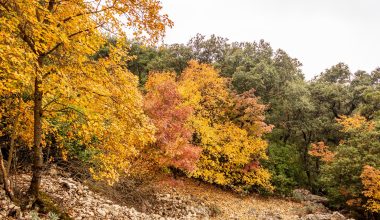
Spring and autumn are generally comfortable for combining streets, coast and viewpoints. Summer brings a livelier atmosphere and beach weather but also more visitors and heat, so an early start helps. Winter is peaceful, although some businesses may operate shorter hours.
Combine Altea with another Costa Blanca town
Altea fits naturally into a Marina Baixa itinerary. For a contrasting nearby destination, read our guide to things to do in Benidorm.
Boat trips and other activities from Altea are seasonal. Before building your day around one, confirm that its booking page has availability for your dates.
Frequently asked questions about Altea
How long do you need in Altea?
Half a day covers the old town and promenade. A full day allows time for lunch, a beach and Cap Negret, l’Olla or Mascarat.
Does Altea have sandy beaches?
Most are gravel or pebble beaches rather than fine sand. Water shoes can make entering the sea more comfortable.
Can you visit Altea without a car?
Yes. The Alicante TRAM connects Altea with other coastal towns. The centre is walkable from the station, although the old-town climb is steep.
Is Altea worth visiting in winter?
Yes. It is a pleasant season for walking, photography and a quiet meal by the sea. Check opening hours and the forecast before travelling.